A roof overlay, also called a roof-over or re-cover, puts a new layer of asphalt shingles on top of the old one instead of stripping the roof to the deck. It can cost less and finish sooner, but the building code bans it in several situations, and GAF Golden Pledge, the Owens Corning system warranties and CertainTeed's wind warranty upgrade all exclude installation over an existing roof. Here is how to tell which path fits your roof.
What is a roof overlay?
The Asphalt Roofing Manufacturers Association (ARMA) uses the code definition: a roof recover is the process of installing an additional roof covering on an existing roof covering. A roof replacement, by contrast, removes the existing covering, repairs any damaged substrate and installs a new covering.
In plain terms, a roofing overlay leaves the old shingles in place and nails a full new layer through them into the deck. Nothing is stripped, so there is no pile of old shingles to haul away.
The Insurance Institute for Business and Home Safety (IBHS) frames the difference the same way. A recover goes over an existing covering, while a replacement removes all existing layers down to the roof deck before the new covering goes on.
Roof-over, re-cover, layover: one method, many names
Contractors and cost guides use several labels for the same job. You will see "roof overlay," "roof-over," "re-cover," "layover" and "reroof over existing shingles" on quotes and in permit forms.
The building code uses "roof recover." When you read a quote, treat all of these words as the same thing: the old roof stays and a second layer goes on top.
What an overlay is not
An overlay is not a patch. IBHS describes it as installing a new roof covering over an existing roof covering, so the new layer is a full covering rather than a spot repair.
It is also not a full roof replacement, even when the quote calls it a "new roof." The deck, the old underlayment and often the old flashing stay where they are, hidden under two layers of shingles.
That distinction matters later, when you compare warranties and future costs. A roof that looks new from the street can still be carrying a worn first layer underneath.
Roof overlay vs tear-off at a glance
The table below puts the two methods side by side. Prices come from national cost guides, and the code and warranty rows come from the published texts cited in each line.
| Factor | Roof overlay (roof-over) | Full tear-off and replacement |
|---|---|---|
| Cost per sq ft | Skips removal labor, which HomeGuide prices at $1 to $3 per square foot for shingles, plus dumpster and disposal fees | HomeGuide puts the full job at $3 to $6 per square foot, or $5,700 to $16,000 on average |
| Removal and disposal | None now; the old layer stays on the roof | Fixr averages tear-off and disposal at $50 per square, including dumping fees |
| Weight on the structure | Adds a second layer of dead load; IBHS says the structure should be assessed first | No added layer; the old covering comes off before the new one goes on |
| Inspection of decking | Not possible; HomeGuide notes the contractor cannot examine the roof structure | Every sheet of decking is exposed, and damaged boards are repaired or replaced |
| Manufacturer warranty impact | Standard shingle warranties depend on the maker's application instructions; GAF Golden Pledge, Owens Corning system warranties and the CertainTeed wind upgrade exclude roof-overs | Eligible for the enhanced system warranties, which require a clean deck |
| Lifespan | HomeGuide says an overlay reduces the roof's lifespan, without giving a figure | HomeGuide puts a new asphalt shingle roof at 15 to 30 years |
| Install time | Described as faster by HomeGuide and This Old House | HomeGuide puts a shingle tear-off and replacement at 1 to 3 days |
| Next reroof | Two layers to remove; Fixr says removal can reach $150 per square with multiple layers | No second layer left behind; HomeGuide says tear-off costs are higher for roofs with two layers |
Read the table as a trade. The overlay wins on the first invoice and on speed, while the tear-off wins on what you can see, what you can repair and what the manufacturer will stand behind.
How a roof overlay is installed
Most overlays follow the same basic sequence. Knowing it helps you spot steps a quote leaves out.
Checking the roof before anything goes on
A contractor should first count the existing layers. If there are already two applications of roof covering, the code stops the overlay right there.
Next comes a walk of the roof surface and a look at the attic. ARMA says replacement may not be necessary when there is one layer of shingles that lies flat and the deck is in good condition.
Preparing the old surface
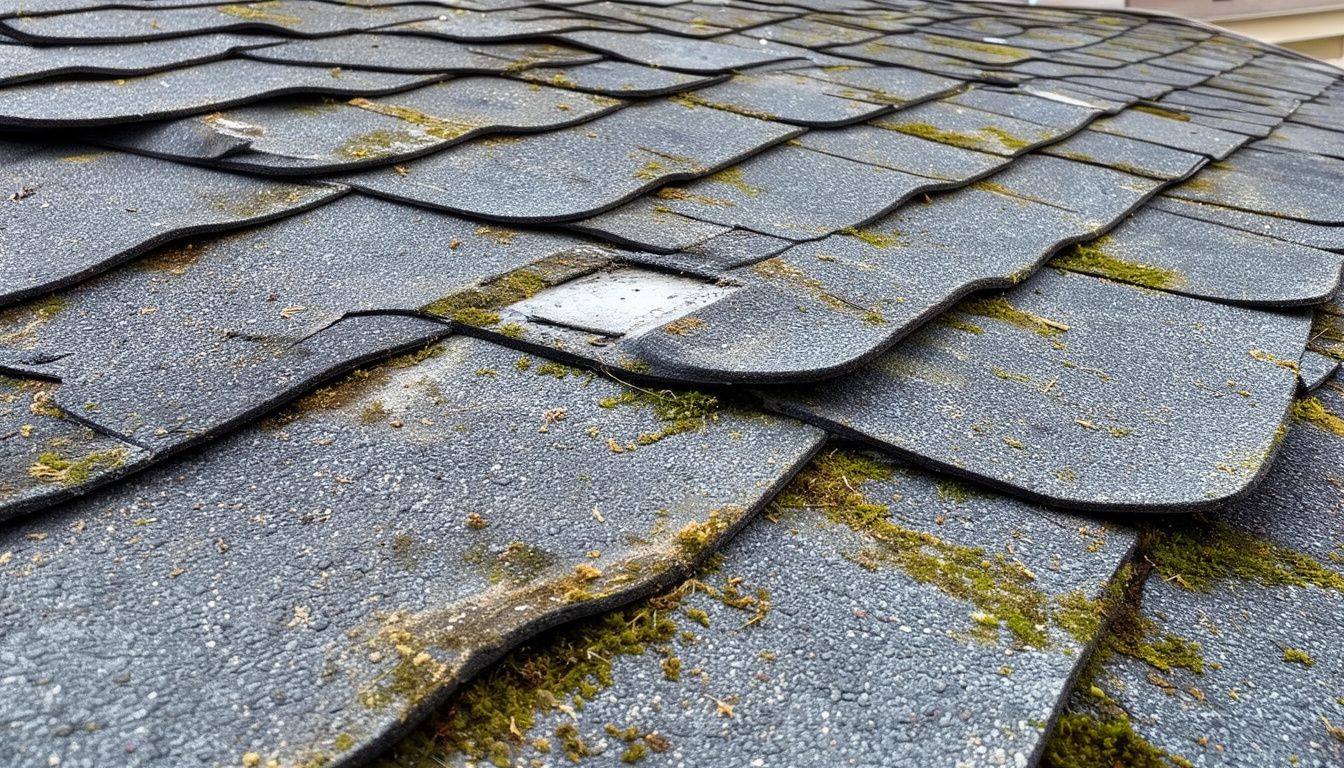
Loose, curled or missing shingles are flattened, cut back or filled so the new layer can lie flat. ARMA warns that when the existing shingles are so uneven and distorted that flattening every raised area is not possible or practical, they will likely need to come off.
Debris, raised nails and broken pieces are cleared. Some crews also replace the drip edge and metal vents at this stage, since old metal buried under a second layer is hard to service later.
Starter, shingles and ridge
From there, the new shingles are fastened through the old layer into the deck. GAF makes its standard limited warranty conditional on shingles being fastened and installed strictly in accordance with its application instructions, so ask the crew to follow that sheet.
Ask which starter and ridge cap products the quote includes, and whether the warranty you were promised requires them.
Flashing and penetrations
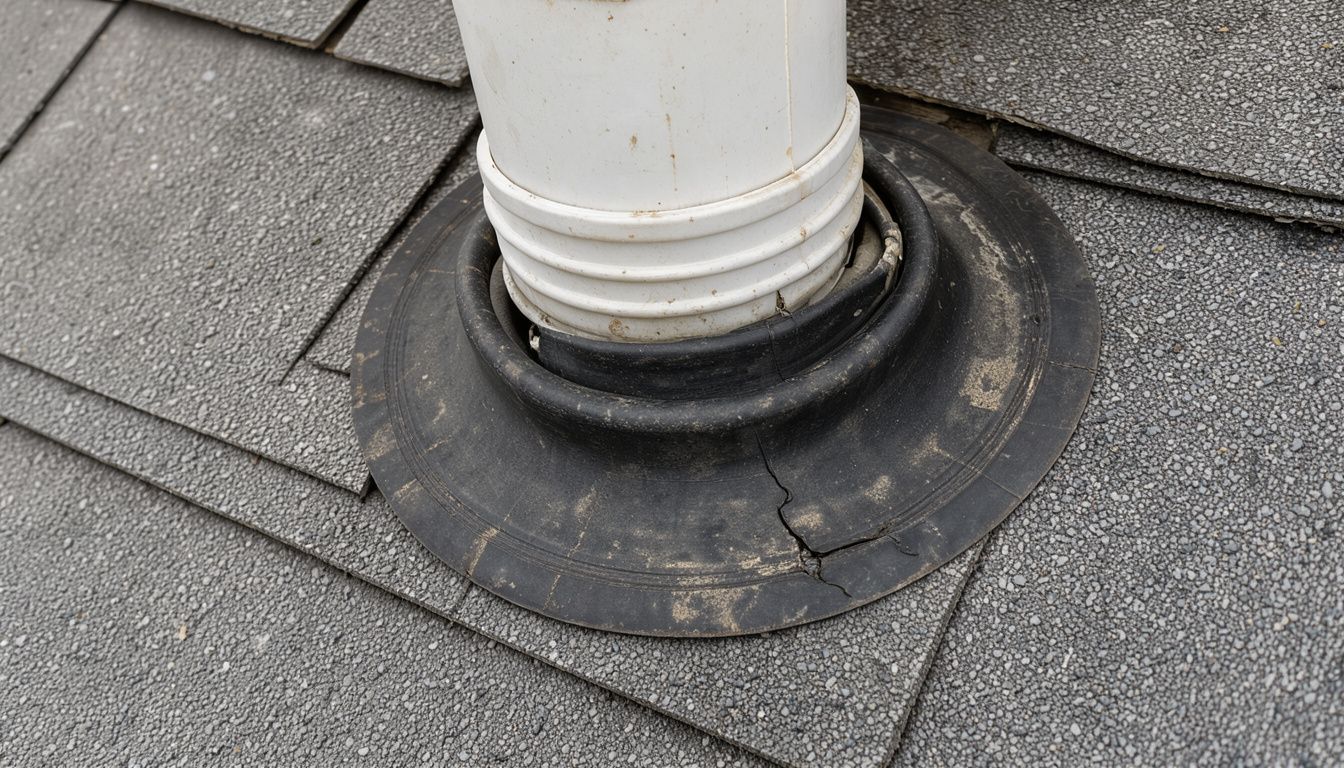
Flashing around chimneys, skylights and walls is where overlays most often cut corners. HomeGuide lists "may compromise the roof flashings" among the drawbacks of a roof-over.
Ask the contractor in writing whether step flashing, counterflashing and pipe boots will be replaced or reused. Reused flashing that was already near the end of its life now sits under a roof that may have to last decades.
What a full tear-off includes
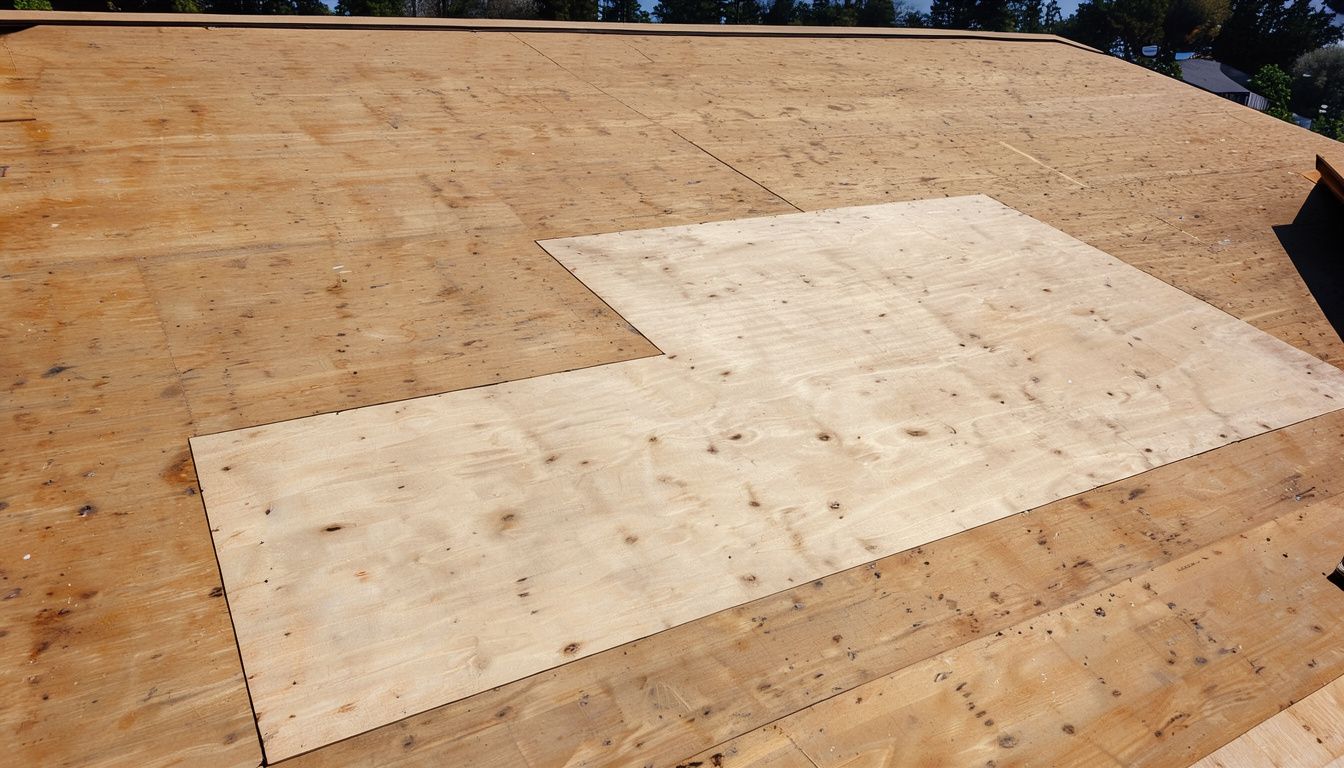
A tear-off strips the old shingles, underlayment and nails down to the deck. HomeGuide describes it this way: the contractor removes the existing roof, repairs or replaces any damaged decking and installs a new roof.
With the deck bare, the crew can see rot, delamination, gaps between boards and old leak stains. ARMA lists the chance to inspect the deck, repair damage and improve deck attachment to the structure as the main benefits of replacement.
New underlayment then goes down over the whole roof. Where the code calls for it, an ice barrier is added at the eaves; the IBHS guide says it should extend at least 24 inches inward from the exterior wall line.
When the code requires removal, NRCA notes that every existing layer must come off down to the deck, with one exception: an ice-dam protection membrane adhered to the deck may stay in place and be covered with a new layer of membrane.
New flashing, drip edge, vents and pipe boots follow, then the shingles. HomeGuide puts the full sequence on a shingle roof at 1 to 3 days, and notes that rain or snow, heavy winds, or temperatures below 40° F will delay the installation.
What the building code says about roof overlays
Most houses fall under the International Residential Code (IRC). NRCA's Professional Roofing magazine notes that the IRC applies to one- and two-family dwellings and townhouses up to three stories, while larger buildings fall under the International Building Code (IBC).
The reroofing rules sit in Chapter 9, Section R908, which covers both roof re-covering and full removal and replacement. States adopt the text with their own amendments; Ohio's residential code, for example, prints the same rules as Section 908.3.1.1.
The two-layer limit
The most cited rule bars a recover where the existing roof has two or more applications of any type of roof covering. In practice, one overlay is the most you can stack on the original roof.
This is why ARMA says most codes do not allow more than two roof coverings on a building, and why HomeGuide states that most states allow a maximum of two roof layers. NRCA adds a useful detail: a protective roof coating is not counted as an additional roof layer for that limit.
The other bars to a re-cover
The same section rules out a recover where the existing roof or roof covering is water soaked or has deteriorated to the point that it is not an adequate base for more roofing. A wet or rotten first layer cannot be covered.
It also rules out a recover where the existing covering is slate, clay, cement or asbestos-cement tile. Code text changes between editions and between states, so ask your building department which version it enforces.
The manufacturer's instructions are part of the test
The code permits a recover where the new roof covering is installed in accordance with the roof covering manufacturer's approved instructions. That ties the legal question to the shingle maker's own rules.
So if the instructions for the shingle in your quote do not allow installation over the existing roof, the overlay fails the code test too. Ask the contractor for that page of the instructions.
Exceptions for metal systems and coatings
The code allows some systems over an existing roof without tear-off. It exempts complete and separate roofing systems, such as standing-seam metal, that carry roof loads directly to the building's structure and do not rely on the old roof for support.
The same section allows a new protective coating over existing coatings, metal panels, mineral surfaced roll roofing, built-up roofs, modified bitumen, single-ply membranes and spray foam without tear-off. These exceptions matter mostly for low-slope roofs, covered further down.
Deck and slope rules that still apply
The IRC rules for asphalt shingles do not go away under an overlay. Asphalt shingles must be fastened to solidly sheathed decks, and ARMA flags gaps greater than ¼ inch between deck boards as a reason to remove the old roof.
Asphalt shingles may only be used on slopes of two units vertical in 12 units horizontal or steeper. On a flatter section, neither an overlay nor a shingle replacement is an option under that rule.
Local amendments and permits
Cities can tighten or loosen R908. Chicago, for instance, allows a recover over two or more existing layers only if its Department of Buildings accepts a structural condition report from an Illinois-licensed architect or engineer.
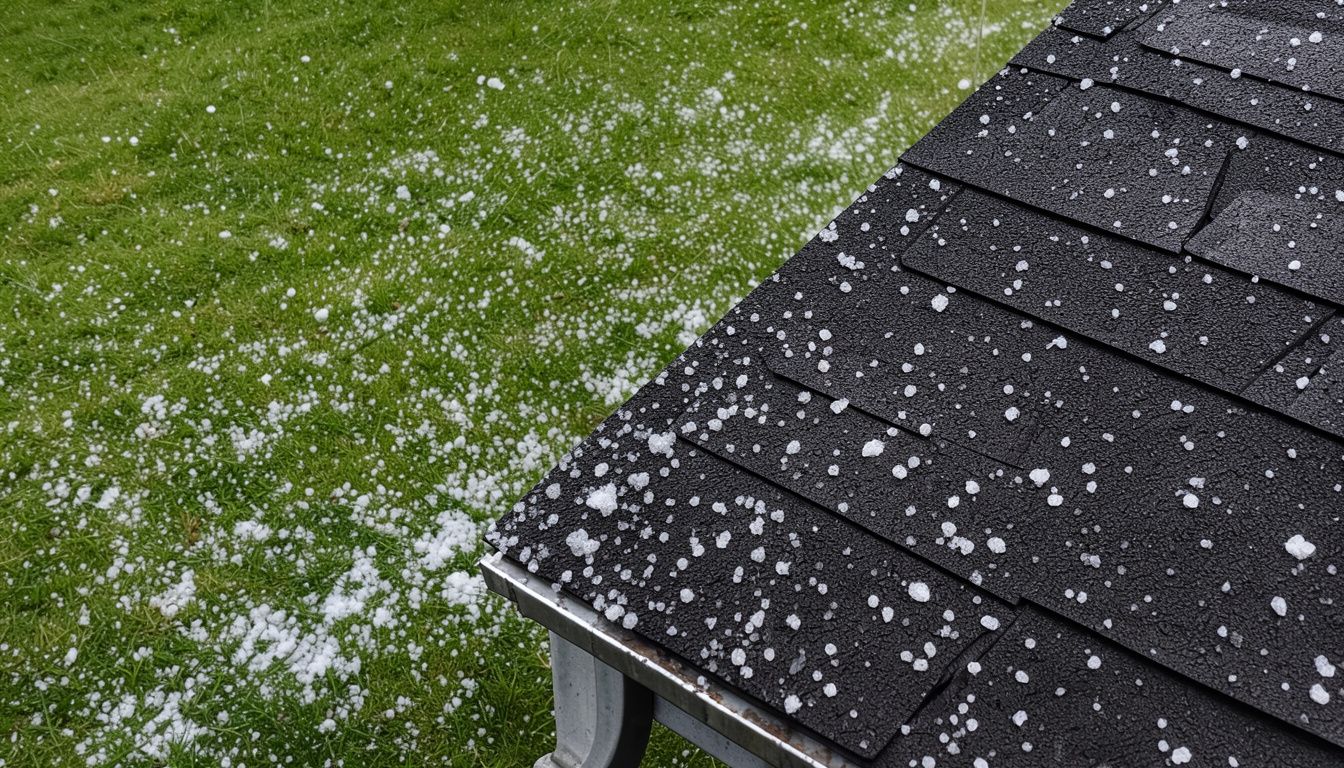
IBHS notes that in moderate hail zones, recover of an existing roof is often not permitted, and it points owners to the local jurisdiction. HomeGuide says roof replacement permits cost $100 to $500 depending on location.
Call your building department before you sign. Ask how many layers are allowed, whether an overlay needs a permit or an inspection, and whether wind or hail rules change the answer for your address.
When a roof overlay is not allowed
Code bans and warranty conditions overlap but are not the same thing. A roof-over can be legal and still void the warranty tier you were promised.
| Situation | Where the rule comes from | What it means for you |
|---|---|---|
| Two or more existing roof coverings | IRC R908.3.1.1 (two or more applications of any type of roof covering) | Tear-off required in most places; Chicago allows an exception only with an accepted structural report |
| Old roof water-soaked or deteriorated | IRC R908.3.1.1 (not an adequate base for additional roofing) | Tear-off required; wet or rotted material cannot be covered |
| Existing slate, clay, cement or asbestos-cement tile | IRC R908.3.1.1 | Tear-off required for a shingle overlay |
| Shingle maker's instructions do not allow a recover | IRC R908.3.1 (recover permitted where installed per the manufacturer's approved instructions) | The manufacturer's rule becomes a code rule |
| Existing laminated (architectural) shingles | ARMA: most manufacturers do not recommend new shingles over laminated shingles | Check the new shingle's instructions before agreeing |
| Moderate hail zone | IBHS: recover is often not permitted | Ask the local building department |
| Rotted, warped or widely gapped deck boards | ARMA: gaps greater than ¼ inch or rotten boards must be fixed first | The deck must be exposed, which means a tear-off |
| Sagging ridge or truss lines | ARMA: have a licensed structural engineer inspect | Structural review before any new roof |
| GAF Golden Pledge warranty wanted | GAF: the roof system must not be installed over an existing roof | Tear-off to the deck required |
| Owens Corning Preferred, Platinum or System Protection warranty wanted | Owens Corning: install over a clean roof deck with all existing roofing material removed | Tear-off required |
| CertainTeed wind warranty upgrade wanted | CertainTeed: roof-overs are not permitted | Overlay loses the higher wind rating |
If any line in this table matches your roof, an overlay is either illegal or a downgrade. If none match, the decision comes down to cost, plans for the house and how much risk you accept in the hidden first layer.
How manufacturer warranties treat a roof-over
Warranty language is where most overlay advice goes wrong. A roof-over does not automatically void every shingle warranty, but it does shut you out of the strongest coverage each maker sells.
GAF
GAF's standard Shingle and Accessory Limited Warranty is conditioned on the shingles being fastened and installed strictly in accordance with GAF's application instructions. So the question is whether those instructions allow the specific overlay on your roof.
The enhanced tier is stricter. GAF's Golden Pledge brochure states that the roof system must NOT be installed over an existing roof, and that all existing materials must be removed to the deck.
Golden Pledge also requires installation by a GAF Master Elite contractor. If a quote promises that warranty on an overlay, ask the contractor to show you the clause that allows it.
Owens Corning
Owens Corning says that for its standard product limited warranties, anyone can install provided the proper installation instructions and local building codes are followed.
Its system warranties are a different matter. The Preferred Protection, Platinum Protection and System Protection documents all require the roofing system to be installed over a clean roof deck with all existing roofing material and debris removed, including felt, ice and water membrane, raised nails and flashing materials for chimneys and skylights.
The company's warranty comparison also shows why that matters: the standard warranty excludes tear-off and disposal costs, while its higher tiers include them if required.
CertainTeed
CertainTeed's residential asphalt shingle warranty offers a wind warranty upgrade, a higher blow-off rating for the early years of the roof, when several conditions are met. One of them reads: the CertainTeed shingles are not applied over existing roof shingles (roof-overs are not permitted).
In other words, a CertainTeed overlay can still carry the base warranty, but not the higher wind rating. In a windy region, that difference may matter more than the price gap.
What to get in writing
Ask for the exact warranty name, the document and the clause that covers installation over existing shingles. A verbal "it's covered" is not enough.
Ask separately about the contractor's workmanship warranty. Get its length and what it covers in writing, next to the manufacturer warranty.
Keep the warranty registration, the invoice and photos of the roof before work. If you sell the house, those papers answer the first questions a buyer's inspector is likely to raise.
What a roof overlay really costs
National cost guides do not publish a single reliable "overlay price," but they do price the pieces an overlay leaves out. That lets you estimate the savings on your own roof.
Price ranges from national cost guides
HomeGuide puts the average cost to tear off and replace a roof at $5,700 to $16,000, with tear-off of shingles at $1 to $3 per square foot for removal alone. Fixr gives an average of $4.75 per square foot for replacement, with a range of $3.75 to $11.
By shingle type, HomeGuide prices a 3-tab asphalt replacement at $3 to $5 per square foot installed, or $5,700 to $12,000, and an architectural shingle roof at $4 to $6 per square foot, or $7,500 to $16,000. This Old House tells readers to budget $10,319 for a 2,000-square-foot asphalt shingle roof.
An overlay removes the tear-off line and most of the dumpster cost. For a rough number on your own house, plug your roof size into our roof replacement cost calculator and compare the result with and without removal.
| Cost line | National guide figure | Overlay | Tear-off |
|---|---|---|---|
| Shingle removal labor | $1 to $3 per sq ft (HomeGuide) | Not charged now | Charged |
| Tear-off and disposal | $50 per square average, up to $150 per square for multiple layers (Fixr) | Deferred to the next roof | Charged |
| Dumpster rental | $220 to $580 per week for a 10-yard container (HomeGuide) | Usually smaller or none | Needed |
| Deck replacement where damaged | $2 to $5 per sq ft (HomeGuide); $2 to $8 per sq ft (Fixr) | Damage stays hidden | Charged where found |
| Underlayment | $0.10 to $0.80 per sq ft for materials (HomeGuide) | Often skipped | Included in most quotes |
| Permit | $100 to $500 depending on location (HomeGuide) | Depends on local rules | Depends on local rules |
| Pre-job roof inspection | $100 to $400 (HomeGuide) | Worth paying for | Often part of the bid |
The bill you defer
The tear-off you skip now does not disappear. When the overlay wears out, the next contractor must remove two layers instead of one.
HomeGuide notes that tear-off costs are higher for roofs with two layers of shingles. Fixr says tear-off and disposal averages $50 per square but can reach $150 per square when removing multiple layers of asphalt shingles.
HomeAdvisor adds that multi-layer removal is labor-intensive and may reveal hidden damage, which adds structural repair costs before the new roof goes on. So part of today's overlay savings is a loan against your next roof.
Hidden deck repairs
On a tear-off, rotten decking is found and priced on the spot. HomeGuide puts roof decking replacement at $2 to $5 per square foot installed, and Fixr at $2 to $8.
On an overlay, the same rot stays in place. HomeAdvisor points out that leaving the existing roof in place makes it hard to detect rotting wood or leaks, and it adds load to the roof.
Weight and the roof structure
Every overlay adds a second layer of shingles to the dead load your rafters or trusses carry. IBHS says an extra layer of roof cover will increase the dead load, and that the structure should be assessed and verified before the project.
ARMA's checklist includes the same step: make sure the structure beneath the roof deck has sufficient capacity to bear the weight of another layer of shingles. HomeGuide lists the extra weight among overlay drawbacks, saying it may add structural stress.
Ask the contractor for the weight per square of the exact shingle quoted. If the roof already shows any sag across the ridge or truss lines, ARMA advises having a licensed structural engineer inspect it.
Ventilation and moisture under two layers
ARMA says any reroofing should include an evaluation of whether the existing attic ventilation is adequate. That applies to an overlay as much as a tear-off.
The difference is what you can fix. A tear-off is the natural moment to add ridge vents, correct intake at the soffits and replace soft decking, while an overlay limits you to whatever can be cut through two layers.
Moisture is the bigger worry. The IRC bars a recover over a water-soaked roof, and IBHS says the existing layer must be in good condition to support the new covering, so any sign of a wet deck should end the overlay discussion.
Hail, wind and impact ratings
An overlay can change how the roof handles storms. ARMA states that impact resistance ratings for asphalt shingles may be affected when new shingles are installed over existing shingles.
IBHS adds that in moderate hail zones, a recover is often not permitted by the local jurisdiction. If you are buying impact-rated shingles for an insurance credit, ask your insurer whether the rating still counts on an overlay.
Wind coverage follows the same pattern. CertainTeed's higher wind warranty requires that the shingles not be applied over existing shingles, which takes that upgrade off the table for a roof-over.
When a roof overlay can make sense
ARMA does not oppose overlays across the board. It says that if a roof has one layer of shingles that lies flat and a deck in good condition, replacement may not be necessary.
It also lists two real advantages: the existing layer acts as a secondary backup roof for the new shingles, and you avoid the cost of removing and disposing of the old shingles.
This Old House adds a practical case. If the roof is generally in good shape but has localized damage from a downed tree or windstorm, an overlay is worth considering, and nailing new shingles over existing ones is often faster and less expensive.
An overlay is a reasonable fit when all of these are true:
- There is only one existing layer, and it lies flat.
- The attic shows no stains, soft decking, daylight gaps or mold.
- The old shingles are not laminated, or the new shingle's instructions allow going over them.
- Your local code allows a recover at your address.
- You do not need the enhanced manufacturer warranty or the upgraded wind rating.
- You understand the next roof will cost more to remove.
When a tear-off is the safer call
HomeGuide suggests tearing off and replacing when the shingles are brittle or cracking, the roof leaks in several places, the shingles are more than 20 years old, or the roof is sagging.
It also flags damage covering more than 25% of the roof, or repairs costing more than 30% of a new roof, as signs that replacement is the sounder move. Those thresholds are a cost guide's rule of thumb, not a code requirement.
A tear-off is also the clear choice when:
- The roof already has two layers.
- Any part of the deck is soft, rotted, warped or water-stained.
- You want GAF Golden Pledge, an Owens Corning system warranty or another tier that requires a clean deck.
- You plan to stay in the house long enough to need the full lifespan of the new roof.
- You want to fix ventilation, add an ice barrier at the eaves or replace all flashing.
- Solar panels are planned, since you will want a sound deck under the racking for the life of the system.
How a contractor should evaluate your roof
A good bid for either method starts with an inspection, not a price per square. HomeGuide puts a roof inspection at $100 to $400, so ask whether it is already part of the estimate.
On the roof
The roofer should count the layers at the eaves and rakes, walk the field to feel for soft spots and check how flat the old shingles lie. ARMA's guidance turns on exactly these points: number of layers, flatness and deck condition.
They should also look at every flashing detail, valley and penetration. If the flashing is failing now, covering it with a second layer will not make it last longer.
In the attic
From inside, the roofer should look for dark stains, mold, daylight between boards and sagging between rafters. ARMA says rotten, warped or otherwise damaged boards must be replaced before new shingles go on, and that requires exposing the deck.
The attic check is also where ventilation gets measured. Note the intake and exhaust vents and whether insulation blocks the soffits.
Paperwork
A careful contractor will confirm local code before quoting a recover. ARMA's own advice is to confirm that local building codes permit the installation of an additional layer of shingles.
Ask for photos of the attic and roof surface with the bid. They give you a record of the first layer's condition before it disappears under the new one.
Questions to ask before you sign
Use these questions to compare an overlay bid with a tear-off bid on equal terms:
- How many layers are on the roof now, and how did you confirm it?
- Did you inspect the attic, and what did you find on the underside of the deck?
- Does our local code allow a recover at this address, and is a permit required?
- Do the installation instructions for the shingle you are quoting allow it over the existing shingles?
- Which manufacturer warranty will we receive, and which clause covers installation over an existing roof?
- Will you replace the flashing, drip edge, vents and pipe boots, or reuse them?
- Is new underlayment or an ice barrier included anywhere?
- What is the price difference between the overlay and a full tear-off on this roof?
- If you find soft decking during an overlay, what happens to the price and scope?
- What workmanship warranty do you offer, and for how long?
Reading an overlay or tear-off quote
Quotes often hide the method in one line. Look for the words "tear-off," "remove existing," "layover," "recover" or "over existing" before you compare totals.
HomeGuide's own checklist includes asking whether the estimate includes tearing off the old roof. Two quotes can look close in price when one includes removal and the other does not.
Check that the quote lists the shingle brand and line, the underlayment, the ridge and starter products, and the flashing work. Manufacturer warranty tiers often depend on those accessory products, as the Owens Corning and CertainTeed documents show.
For a tear-off, look for a per-sheet or per-square-foot price for replacing damaged decking. That number limits surprises once the old roof is off.
For an overlay, look for a clause on what happens if the crew finds soft spots. A contractor who plans to nail over a soft deck is not doing you a favor.
Signs an existing overlay is in trouble
If you bought a house with a roof-over, or had one installed years ago, a few signs point to problems in the hidden layer.
From the ground
Look for waves, bumps or lines that show through the newer shingles. They can mean the old layer was not flat when the new one went on, which ARMA lists as a reason to remove it.
Look at the roof edge for a thick, stepped look at the eaves or rakes, and have a roofer confirm the layer count. New shingles that curl or lift early deserve a closer look too.
From the attic
Check the underside of the deck with a flashlight after a heavy rain. Stains, damp spots, mold or soft wood show that water is getting past both layers.
Look for sagging between rafters and for daylight through the boards. Any of these signs means the next roof should start with a tear-off, since the code bars another recover anyway once two layers are in place.
Low-slope and commercial roofs
Low-slope roofs follow the same recover rules, with a few extra options. NRCA notes that the IBC allowance for a re-cover is used for both low and steep slope roofs.
The IRC text allows new protective coatings over built-up, modified bitumen, single-ply and spray foam roofs without tear-off. The same water-soaked rule still applies, so wet insulation under an old membrane has to be found and removed first.
On commercial buildings, ask for a moisture survey of the existing roof before any recover bid. Ask for the dead load of the new system as well, since IBHS stresses checking that the structure can carry the added weight plus construction loads.
Alternatives to a shingle overlay
A roof-over is not the only middle ground between doing nothing and a full replacement.
Targeted repair
If damage is limited, repair may be enough. HomeGuide suggests considering repair when less than 25% of the roof is damaged, the repairs cost less than 30% of a new roof, and the roof is less than 20 years old.
Metal over shingles
The IRC exception for complete and separate roofing systems lets some standing-seam metal systems go over an existing roof without tear-off, when they carry the loads directly to the structure. The structure and the old layer still need the same checks for weight and moisture.
Coatings on low-slope roofs
For built-up, modified bitumen and single-ply roofs, the code allows a new protective coating without tear-off. A coating does not fix a wet deck or saturated insulation, so moisture testing comes first.
Phased tear-off
On a house with distinct roof sections, some owners tear off and replace one section now and another later. Ask the contractor how the two sections will be tied in, and whether a phased job affects the manufacturer warranty, since the Owens Corning system warranties require the roofing system to cover the entire structure.
How to decide between a roof-over and a tear-off
Start with the hard limits: count the layers, check the code and read the shingle maker's instructions. If any of those says no, the decision is made.
Next, weigh the warranty. If you want Golden Pledge, an Owens Corning system warranty or the CertainTeed wind upgrade, only a clean deck qualifies.
Then compare price against time in the house. An overlay saves the removal cost now, but the next roof will cost more to strip, and you will live with whatever sits under the second layer until then.
Finally, get two quotes on the same roof, one for each method, with the same shingle and accessories. The real gap on your house is often smaller or larger than any national average suggests.
Frequently asked questions
What is a roof overlay?
A roof overlay, or roof-over, installs a full new layer of shingles on top of the existing roof without tearing it off. ARMA defines a roof recover as installing an additional roof covering on an existing roof covering. It is generally an option only over one flat layer on a sound deck.
How many layers of shingles are allowed on a roof?
Under Section R908.3.1.1 of the IRC, a recover is not allowed where the existing roof has two or more applications of any type of roof covering. That means one overlay at most on top of the original roof. Local amendments can be stricter, so check with your building department.
Does a roof overlay void the shingle warranty?
Not always, but it rules out the strongest coverage. Standard GAF and Owens Corning warranties depend on following the maker's application instructions and local code, while GAF Golden Pledge and the Owens Corning system warranties require all existing roofing removed to the deck. CertainTeed's wind warranty upgrade does not apply to roof-overs.
How much cheaper is an overlay than a tear-off?
An overlay skips removal, which HomeGuide prices at $1 to $3 per square foot for shingles, along with most dumpster and disposal fees. Fixr averages tear-off and disposal at $50 per square. Part of that saving comes back at the next reroof, when two layers must be removed.
How long does an overlay roof last?
HomeGuide says a roof-over reduces the roof's lifespan compared with a tear-off, but it does not publish a separate figure. For reference, it puts a new asphalt shingle roof at 15 to 30 years. The condition of the first layer and the attic ventilation both affect how an overlay ages.
Can you put an overlay over architectural shingles?
ARMA says most manufacturers do not recommend installing new shingles over existing laminated shingles. The IRC permits a recover only where the new covering is installed according to the manufacturer's approved instructions. Read the instructions for the exact shingle in your quote before agreeing.
How long does a full tear-off take?
HomeGuide puts tearing off and replacing a shingle roof at 1 to 3 days. Removing and replacing tile, slate or shakes takes 6 to 8 days. Rain, snow, high wind and cold weather can stretch either schedule.
Sources
- HomeGuide, homeguide.com/costs/average-cost-to-tear-off-and-replace-roof (read November 22, 2026)
- HomeGuide, homeguide.com/costs/roof-replacement-cost (read November 22, 2026)
- HomeGuide, homeguide.com/costs/asphalt-shingle-roof-cost (read November 22, 2026)
- Fixr, fixr.com/costs/roof-replacement (read November 22, 2026)
- This Old House, thisoldhouse.com/roofing/new-roof-cost (read November 22, 2026)
- ARMA, asphaltroofing.org/reroofing-replacement-vs-recover/ (read November 22, 2026)
- IBHS, ibhs.org/guidance/ricowi-roof-guide-codes-and-standards/ (read November 22, 2026)
- NRCA, nrca.net/roofingguidelines/Library/Detail?id=4ss92fchcaA%3D (read November 22, 2026)
- GAF (Shingle & Accessory Limited Warranty), lowes.com/pdf/GAF_Shingles_and_Accessories_warranty.pdf (read November 22, 2026)
- GAF (Golden Pledge Limited Warranty brochure), irp.cdn-website.com/72df28d5/files/uploaded/GAF+Golden+Pledge+Limited+Warranty.pdf (read November 22, 2026)
- Owens Corning, owenscorning.com/en-us/roofing/warranty (read November 22, 2026)
- CertainTeed (Asphalt Shingle Residential Products Limited Warranty), pdf.lowes.com/productdocuments/250c3ee7-3990-4e2b-b4b8-d0e319b1c249/85880401.pdf (read November 22, 2026)
- Ohio Administrative Code 4101:8-9-01 (Residential Code of Ohio, via Cornell LII), law.cornell.edu/regulations/ohio/Ohio-Admin-Code-4101-8-9-01 (read November 22, 2026)
- NRCA (Professional Roofing), professionalroofing.net/articles/reroofing-by-the-book-02-01-2019/4400 (read November 22, 2026)
- City of Chicago Department of Buildings, chicago.gov/city/en/sites/guide-to-building-permits/home/terms-and-conditions/epp/worktype/ROOF.html (read November 22, 2026)
- homeadvisor.com, homeadvisor.com/cost/roofing/install-a-roof/ (read November 22, 2026)
- Owens Corning, owenscorning.com/dms/10020608 (read November 22, 2026)
- Owens Corning, owenscorning.com/dms/10020609 (read November 22, 2026)
- Owens Corning, owenscorning.com/dms/10020610 (read November 22, 2026)